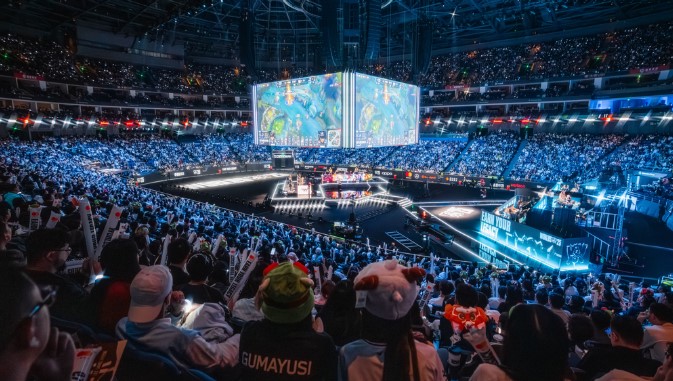
Today, the gaming industry is one of the fastest growing and is associated with multi-million dollar tournaments, star players and big brands. However, the industry was not always so large and started with a less noticeable but very important element – the gaming community. It is they who shape demand, support the ecosystem, and ensure stable development. It is the active community that drives the development of esports. In this article, we will explain why gaming communities are the foundation of esports and how they influence all key processes.
Community as the Entry Point to Esports
For most players, their introduction to esports begins not on the professional stage, but in communities centred around specific games. Discord servers, forums, Reddit, local LAN clubs, and in-game chats provide players with the opportunity to gain basic knowledge, motivation, and a sense of belonging. It is often here that interest in competitive esports is formed, which can later lead the player to training and participation in tournaments.
In competitive disciplines such as Counter-Strike 2, the role of communities is particularly noticeable. In these communities, players discuss balance, patches, and meta, analysing things like dota 2 live score, which allows them to delve into not only the technical but also the analytical aspects of the game. These discussions provide a better understanding of the professional scene, the level of play of teams, and their strategies. In addition, communities perform an educational function, as match analytics and error analysis help players progress faster. Without this ‘entry level,’ most new users would simply not be able to establish themselves in the competitive environment and, therefore, would not become part of the esports ecosystem.
How Communities Shape Competitive Ecosystems
Gaming communities create demand not only for new releases, but also for rating systems, tournaments and leagues of various levels. From amateur competitions to online leagues and intra-community championships, they often become the first step for future professionals. Many well-known e-sportsmen began their journey with local or online tournaments organized by enthusiasts.
The community also acts as a kind of quality filter. Active discussions, criticism of formats, rules or balance force developers and tournament organisers to listen to the expectations of the audience. In esports, feedback from fans is quick and quite critical, and it is the community that is its main source.
There are also roles in gaming communities. Community leaders, streamers, analysts, server administrators, all of them form the agenda, popularizing certain styles of play, teams or even regions. Because of this, the esports ecosystem is constantly updated, remaining alive and dynamic. Without active user action, communities and the competitive scene would lose flexibility and the ability to self-regulate.
Communities as Drivers of Esports Economy
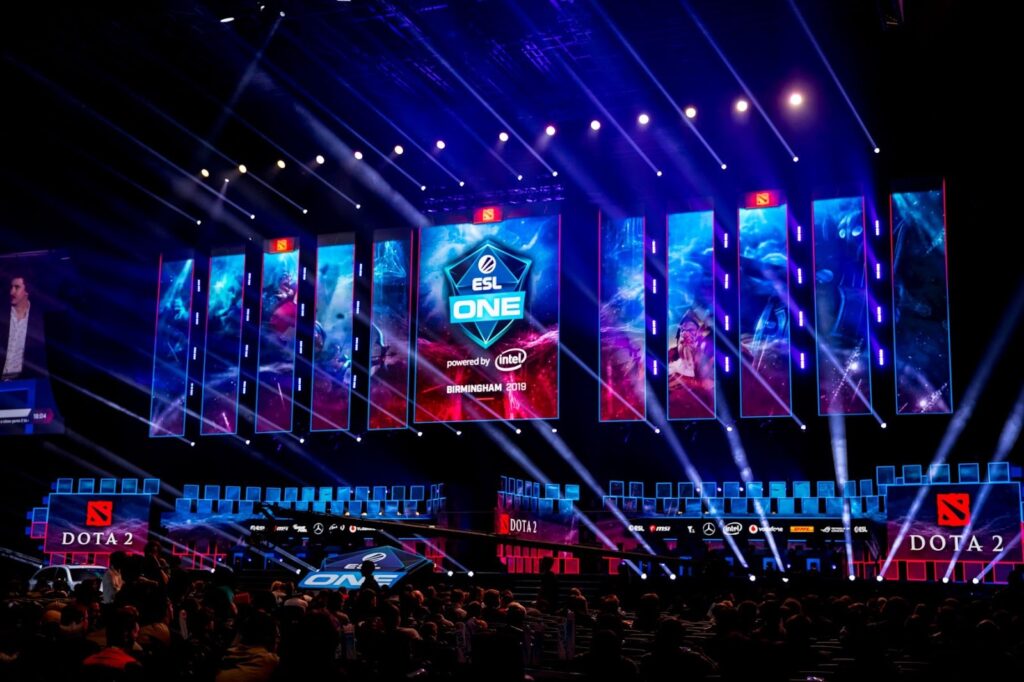
The economy of esports depends not only on investments but also on community engagement. Users generate traffic on broadcasts, buy merchandise, and support teams through subscriptions and donations. In addition, players buy in-game items, and the total value of the skin market reaches billions, which also proves the high level of community engagement. For sponsors and brands, the value of esports lies not only in the number of viewers, but also in their loyalty and activity.
Gaming communities also stimulate the development of related areas, including media, analytics, betting and even educational platforms. User-generated content – from YouTube videos to detailed social media posts – is expanding the reach of the industry by increasing the popularity of video games and tournaments.
In addition, it is often the community that determines which games have the potential to become esports disciplines. If an active community does not form around a game, even significant investments cannot guarantee success on the esports scene. Conversely, a strong base of players and fans can ‘pull’ a game to a professional level, creating a stable market for organisers and partners.
Cultural and Social Impact of Gaming Communities
In addition to the economic and competitive aspects, gaming communities have a significant cultural impact. Players communicate in their own slang, create memes, traditions and even ethical norms. This creates a sense of identity, and e-sports for many fans is more than entertainment, but part of social life.
Equally important is social support. For many people, gaming communities become a space where they find like-minded people, support and the possibility of self-realization. This strengthens engagement and makes esports relevant, because the industry relies not only on commerce, but also on real human connections.
Another important aspect is the influence of gaming communities on the formation of behavioural standards. Respect is important both in real life and in esports. It is the community that is the first to react to toxicity, unfair play or rule violations, setting limits on acceptable behaviour for players and teams. Through public discussions, internal server rules, and informal community sanctions, clear rules of conduct are gradually being established, and reputation is just as important as game results. This helps to ensure a healthy environment within gaming communities and the long-term stability of esports.
Conclusion
Putting all the facts together, we can confirm that gaming communities are an important element of the esports industry. They provide an influx of new players, support the economy, and create a unique esports culture. Without active and engaged communities, professional leagues, tournaments, and teams would lose their meaning and stability. That is why the development of gaming communities is one of the main conditions for the long-term growth of esports.